
How Drainage and Runoff Control Protect Pool Decking and Landscaping in New Port Richey
Updated: 3 days ago
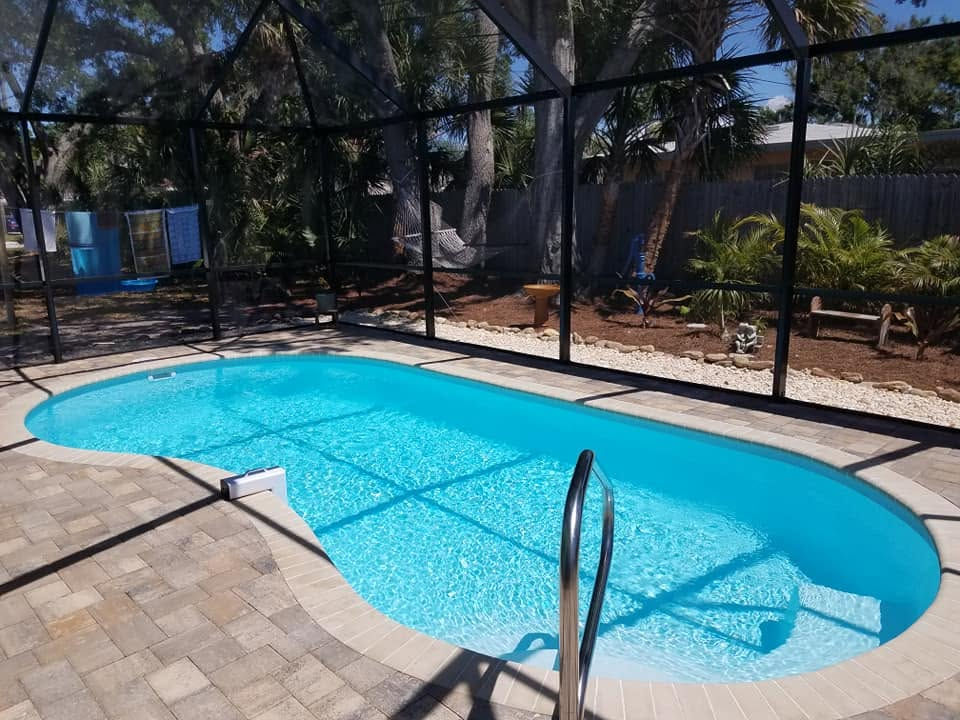
A finished pool tends to get all the attention. And honestly, that makes sense. But what happens to water once it hits the ground around that pool matters just as much to how the whole backyard holds up over time. Maybe more than most homeowners expect.
In a region that sees heavy seasonal rain, drainage is not a detail you figure out later. It is part of the plan from the start. Experienced fiberglass pool installers know that a well-placed pool without a solid drainage strategy can still cause real headaches down the line, like eroded landscaping, cracked decking, or soggy patches that never quite dry out.
Why Runoff Becomes a Bigger Issue in Florida

Florida's rainy season brings intense, fast moving storms rather than the slower, steady rain common in other climates. That means a large volume of water can hit a yard in a short window, and where that water goes matters. Without a deliberate plan, runoff tends to collect wherever the ground happens to be lowest, which is often right next to the pool deck or along the base of a screen enclosure.
Over time, water that consistently pools in the wrong spot can undermine paver joints, erode soil beneath a deck, or create standing water that invites mosquitoes and damages landscaping. None of that is inevitable. It's a planning problem, and it has a planning solution.
How Paver Decks Are Graded to Handle Water
A well built paver deck is graded with a slight slope away from the pool and the house, so water moves off the surface instead of collecting on it. That slope is subtle enough that most homeowners never notice it visually, but it's doing constant work every time it rains. Getting that grading right during installation matters more than almost any other single factor in how well a deck performs over the years.
Paver joints themselves also play a role. Properly compacted joint sand allows some water to filter through gradually rather than sheeting entirely across the surface, which reduces the load on the surrounding drainage during a heavy storm.
Where Runoff Needs to Go Once It Leaves the Deck
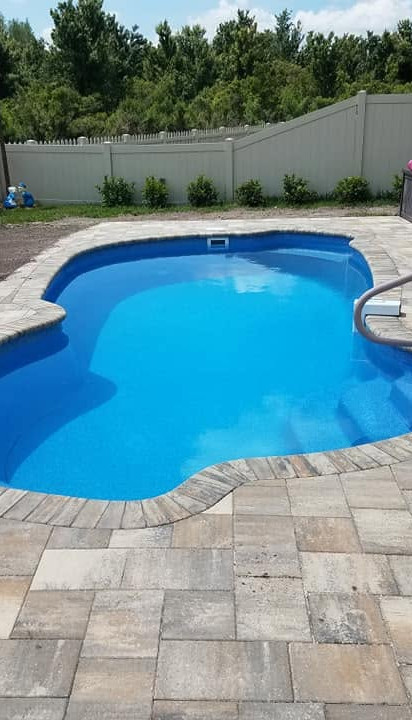
Water directed away from the pool deck still needs somewhere to go, and that's where broader yard drainage comes in. Depending on the property, this might mean directing flow toward an existing swale, grading a path toward the street, or incorporating a French drain in a spot where water tends to collect. The right approach depends on the yard's natural slope, its soil, and what's already in place from the home's original construction.
This is part of why drainage gets planned alongside the pool and deck rather than treated as an afterthought. A design that accounts for water movement across the whole property holds up better than one that only considers the area immediately around the pool.
Protecting the Landscaping Around the Pool
Runoff that isn't controlled doesn't just affect hardscape, it affects plantings too. Consistent water pooling around landscaping beds can drown root systems, wash away mulch and soil, and create muddy areas that are difficult to maintain.
Directing water away from these areas during the design phase protects the investment made in landscaping just as much as it protects the deck itself.
Getting Drainage Right From the Start
The common thread across all of this is that drainage works best when it's planned before construction, not corrected afterward. A deck that's graded correctly, joints that are compacted properly, and a yard that has somewhere for water to go all work together to keep a backyard looking and functioning the way it did on the day it was finished.
It's a detail that's easy to overlook when picturing the finished pool, but one that shapes how well the whole space holds up through Florida's wet season, year after year.
Related Topics:


Comments